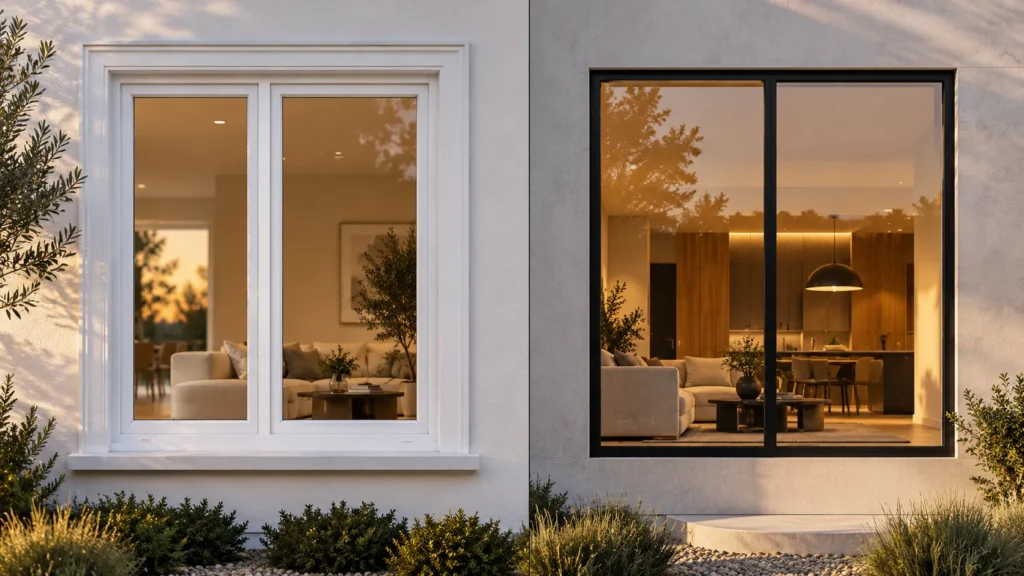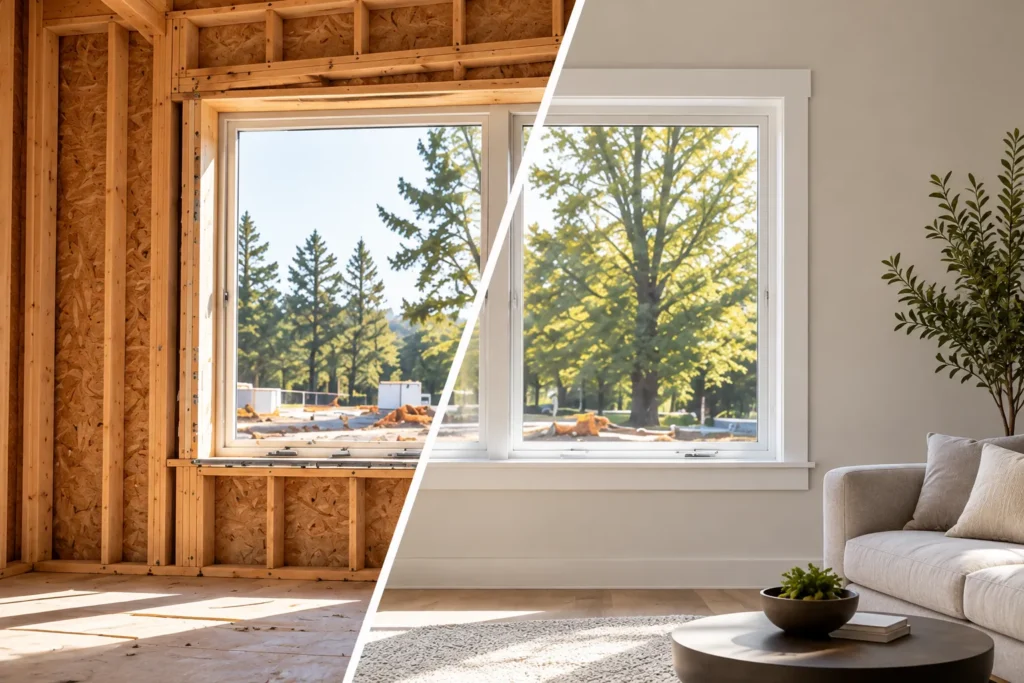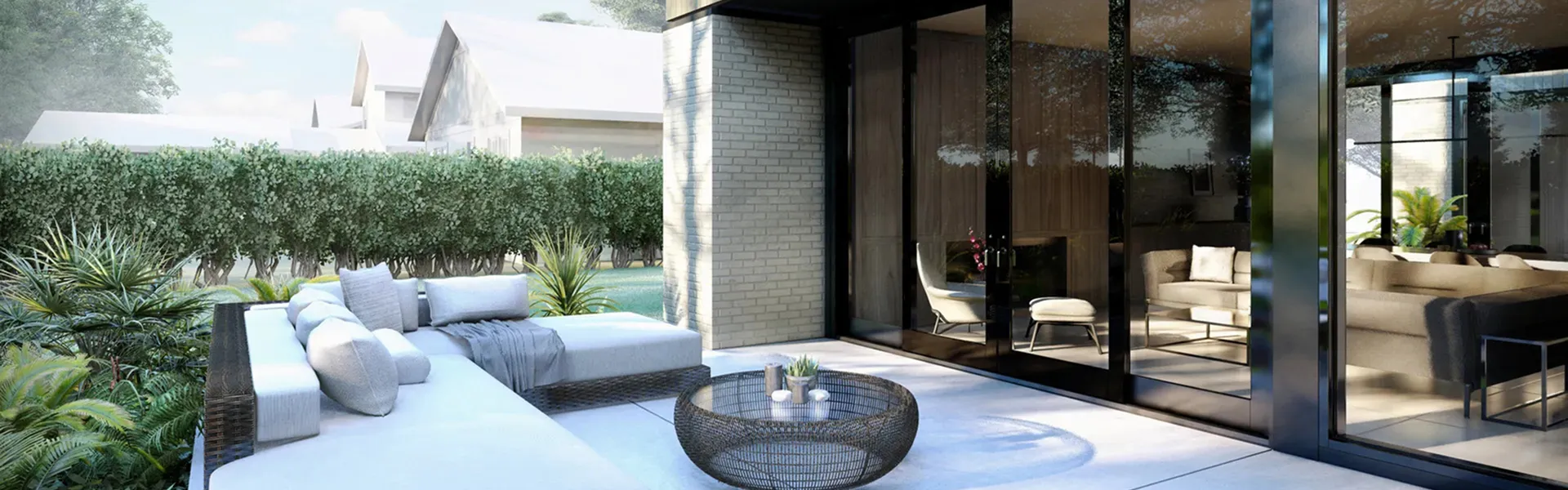
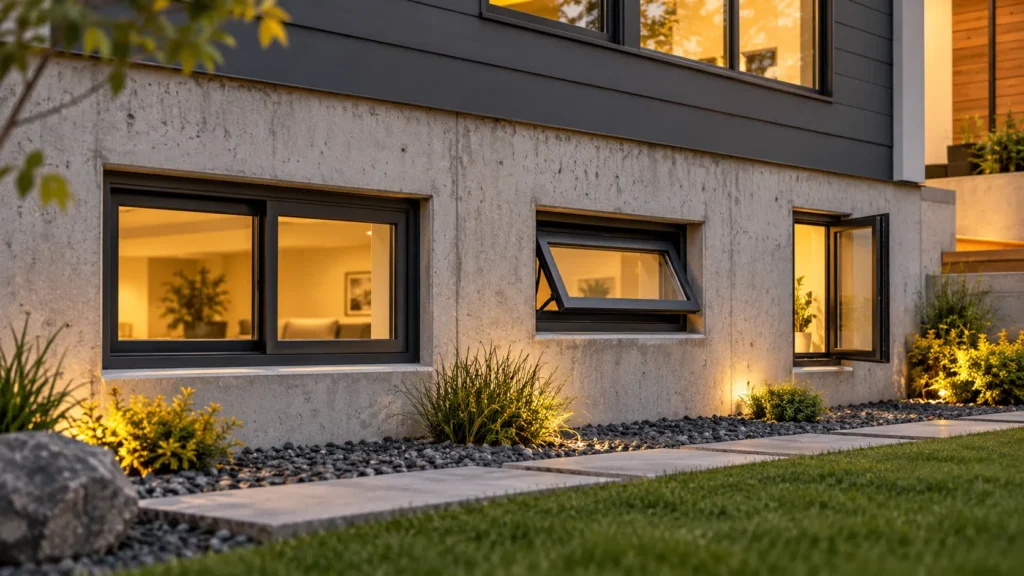
Are you looking to transform your basement into a functional and vibrant space? Installing new windows is one of the key changes that can instantly enhance your basement, turning it into a fully fledged living area. Outdated windows restrict the inflow of fresh air as well as cause excessive moisture and higher energy bills. Choosing the right windows for basements balances safety, structural integrity, and design of your space. Keep reading to learn about different types of basement windows and decide which is the right one for your home.
Key Things to Know About Basement Windows
Before diving into specific window styles, understanding what sets subterranean windows apart from standard upper-level units is a good start. At Lions Group, we always remind homeowners that besides enhancing the look of your space, basement windows must perform heavy structural and environmental duty, including:
- Compliance with local building codes—safety regulations strictly dictate the minimum size and opening clearance for basement windows, especially if it’s a living space like a bedroom
- Moisture and drainage management—sitting close to or below ground level, basement windows need to have proper flashing, well-sealed frames, and integrated wells.
- Structural integrity—cutting into a concrete or masonry foundation requires precise framing to ensure your home’s load-bearing walls remain completely stable.
- Thermal performance—choosing double- or triple-pane glazing prevents condensation buildup and stops drafts from chilling your lower level space during freezing winter months
How to Choose the Right Basement Windows
Finding your best windows for basement requires looking past surface-level style and focus on environmental, safety, and structural factors. Check out the essential criteria we always emphasize while helping homeowners choose their basement windows:
Energy Efficiency
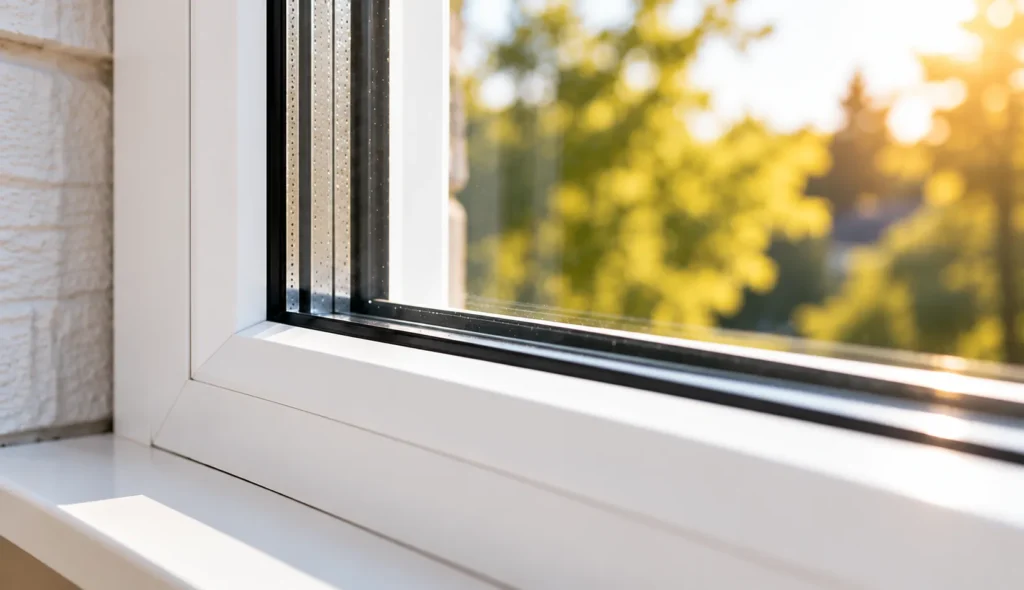
Basement temperatures naturally fluctuate due to direct contact with surrounding soil, making thermal performance one of the top properties you should consider. Choosing energy-efficient glass insulated with argon gas prevents cold drafts from seeping in during winter and keeps humidity down in the summer. High-performance frames also eliminate the risk of condensation, protecting your basements from hidden mold and rot.
Natural Light
Subterranean spaces typically lack sunlight; however, the right window configuration can brighten up your basement and alter the feel of your room completely. Maximizing the glass area with slim-profile frames will flood your living space with invigorating daylight. Brighter lower levels feel larger, more welcoming, and reduce the use of artificial lighting.
Ventilation
Still air and musty odors are among the common complaints among homeowners when it comes to basements. Thus, proper airflow is a core requirement you should keep in mind when considering basement windows types. Selecting windows that open wide allows you to establish effective ventilation that will protect your interior finishes and keep indoor air fresh year-round.
Emergency Exit Requirements
Building safety codes strictly mandate minimum dimensions and clear opening spaces for basement bedrooms to ensure a safe escape route during emergencies. Navigating these egress regulations requires precise planning alongside compatible window wells and ladders. Compliance isn’t just about passing the inspection; it’s also about protecting your family’s safety.
Security
Because they sit close to ground level, basement windows can be a vulnerable entry point for intruders if not properly planned. Upgrading to heavy-duty locking mechanisms, reinforced frames, and security bars (optional) provides absolute peace of mind. The best basement windows will keep your lower-level spaces secure, ensuring you get to enjoy fresh air and daylight without compromising your home’s perimeter protection.
What Types of Windows Are Best for a Basement?
Choosing the right window style depends heavily on your space layout, room usage, and specific local building requirements. See the types of basement windows that will match any style and requirements in the points below:
Casement Windows
These windows open outward fully to deliver maximum airflow and wide-open views. Their tight sash seal makes them exceptionally energy-efficient and secure against forced entry. Casement windows are a perfect choice for those prioritizing fresh air and natural light.
Tilt-and-Turn Windows
Tracing their roots to European architectural design, these versatile windows tilt inward from the top for gentle ventilation mode and swing open to the full like a door, ensuring full ventilation. The dual-action mechanism ensures unobstructed cleaning and regulated airflow.
Picture Windows
Picture windows are designed to maximize natural sunlight and frame your outdoor landscape. These windows lack moving parts and hardware; thus, offer superior weather sealing and the best energy performance.
Sliding Windows
Operating on a horizontal track, sliding windows glide open smoothly without protruding outward into your indoor or outdoor spaces. Their straightforward mechanical design means fewer moving parts to break down over time in heavy-use environments.
Hopper Windows
Hopper windows for basements are hinged at the bottom and open inward toward the room. These windows are a traditional favorite choice for compact openings near the ceiling line. The inward tilt directs fresh air upward while keeping rain and debris from entering the foundation wall.
Hopper-Style Egress Windows
Combining the space-saving operation of traditional hoppers with oversized, code-compliant dimensions, these specialized windows are engineered specifically for basement bedrooms. They offer the required clearance for emergency escapes while maintaining a sleek, low-profile footprint against the foundation wall.
Awning Windows
Hinged at the top and swinging outward from the bottom, awning windows create a protective roof-like overhang when open. This clever design allows you to enjoy air ventilation even during rain without worrying about moisture leaking into your lower level. Awning windows function exceptionally well when placed higher up on foundation walls to capture natural light and overhead breezes.
Comparison Table
Still hesitating about which is the best basement window for your home? Check out a detailed comparison of the key basement window types below and get an insight into the best-fit options for you:
| Window Type | Primary Operation | Ventilation | Natural Light | Egress Potential | Best Use Case |
| Casement Windows | Cranks outward on side hinges | Excellent | High | Yes | Spaces needing maximum airflow and tight weather sealing |
| Tilt-and-Turn Windows | Tilts inward or swings wide open | Very Good | High | Yes | Modern aesthetics, easy interior cleaning, and flexible airflow |
| Picture Windows | Fixed (non-operable) | None | Maximum | No | High-wall placements focused entirely on light and views |
| Sliding Windows | Glides horizontally on a track | Good | Moderate to High | Yes | Wide, low-profile basement openings without protruding sashes |
| Hopper Windows | Tilts inward from bottom hinges | Moderate | Low to Moderate | No | Traditional compact spaces near the ceiling requiring basic airflow |
| Hopper-Style Egress Windows | Oversized inward tilt for exit | Good | High | Yes | Basement bedrooms requiring legal emergency exits |
| Awning Windows | Swings outward from top hinges | Good | Moderate | Rarely | High-wall installations needing ventilation even during light rain |
What Is an Egress Window and When Do You Need One?
An egress window is a specially engineered, code-compliant emergency exit designed to allow house residents to escape safely during an emergency. Each homeowner is legally required to install an egress window in a basement space to convert a lower-level room into a fully-functioning living space. Besides meeting local building standards, these windows transform dark, confined lower levels into sunlight-filled, breathable living areas.
What Are the Most Energy-Efficient Basement Windows?
If you want to keep your lower level comfortable and avoid excessive energy consumption, double- or triple-pane glazing insulated with argon gas is an absolute game-changer. Pairing this advanced glass technology with heavy-duty weatherstripping prevents freezing soil temperatures from chilling your interior space. At Lions Group, we always point out that airtight frames also stop summer humidity from condensing against the glass and hidden mold.
Best Materials for Basement Window Frames
Regardless of the versatility of types of basement egress windows, each of them needs to have a robust frame to wage a constant battle against ground moisture and soil pressure. Vinyl, fiberglass, and engineered composites offer incredible structural resilience while standing up to damp subterranean environments with virtually zero maintenance. Choosing the right framing material guarantees a watertight seal that locks out drafts and protects your foundation wall for decades.
How to Protect Basement Windows from Water and Harsh Weather
Installing properly pitched window wells and heavy-duty clear covers that actively deflect heavy rain and melting snow will protect your basement from water infiltration. Seamless flashing and professional outdoor sealing create a powerful shield against groundwater and pooling rain around your foundation. Making sure your window wells have proper drainage gravel also keeps heavy stormwater from rising up and leaking through the glass.
What We Do Not Recommend
Our experts strongly advise homeowners against cutting corners by installing undersized hopper windows into rooms meant for sleeping or family recreation. Relying on cheap, hollow-vinyl frames or DIY silicone patches to fix foundation leaks is another shortcut that always leads to costly water damage down the road. Skipping professional measurements or ignoring local egress codes will only result in failed inspections and a compromised, unsafe home environment.
FAQ About Basement Windows
What is the best way to secure basement windows against break-ins?
Installing heavy-duty locking mechanisms, reinforced frames, and security bars are the most effective ways to secure your basement windows.
How can I prevent condensation on basement windows?
You can prevent condensation by using double- or triple-pane glazing insulated with argon gas.
Can I enlarge an existing basement window opening in a concrete foundation?
Yes, professional contractors can safely cut and enlarge an existing opening in a concrete foundation by using specialized diamond-blade saws and structural supports.
How long do basement windows typically last?
Quality basement windows typically last between 20 and 30 years, depending on several factors, including frame material, weather conditions, and maintenance routine.
What are the most common basement window sizes?
Standard sizes for traditional basement windows are 32 inches wide by 14 inches high or 32 inches wide by 20 inches high.
What is the best frame material for a basement window?
Vinyl, fiberglass, and engineered composite materials are the best choices for basement window frames.
What size window is required for a basement bedroom?
A basement bedroom window requires a minimum clear opening area of 5.7 square feet, with specific height and width minimums, allowing safe emergency exits.
How can I improve basement ventilation with windows?
You can enhance basement ventilation by upgrading to operable window types like casement, sliding, or tilt-and-turn units.
What are tiny basement windows called?
Tiny traditional basement windows located close to the ceiling line are commonly called hopper windows.
Are glass block basement windows worth it?
Glass block windows are worth considering if your top priorities are maximum security and privacy, though they cannot open for ventilation or serve as emergency exits.
Can you put a regular window in a basement?
Putting a standard above-ground window in a basement is not recommended, as foundation walls require specialized frames engineered to withstand heavy moisture and soil pressure.
What is the minimum window size for a legal basement?
The minimum window size for a legal basement living space typically requires an opening of at least 24 inches in height and 20 inches in width, meeting local egress codes.
Should basement windows be waterproof?
Yes, basement windows must be fully waterproof with proper flashing and sealing to block out hydrostatic pressure and groundwater intrusion.
Do basement windows need to have tempered glass?
Basement windows only require tempered safety glass when they are positioned close to the floor or within specific code-defined hazard zones where human impact is a risk.